Every vehicle on UK roads meets safety and environmental standards. The MOT test is a significant check-up that makes sure a vehicle is still a legal and safe road user. It is an essential way of determining if a vehicle meets the minimum legal requirements and is in good condition for driving. But many car drivers don't know about the different types of vehicles grouped into their own MOT classes. Every class includes a specific type of vehicle that follows testing requirements matching the vehicle's features. Being aware of the vehicle's MOT class lets a vehicle owner know beforehand what their MOT test will look like. For instance, if one has a motorcycle, a car, or a commercial vehicle, knowing the MOT categories can make the MOT testing much more accessible.
What Is an MOT Test?
An MOT test is compulsory if a driver has driven their car in Great Britain for more than three years. It is a yearly vehicle inspection where the tester checks to see that the vehicle is legally acceptable for driving for safety. The tester will go through various parts of the car, e.g. :
- Brakes
- Tyres
- Steering
- Suspension
- Lights
- Seatbelts
- Windscreen and wipers
- Exhaust emissions
Having an MOT does not mean one doesn't need to get their car serviced. Regular car servicing Wolverhampton is necessary if vehicle owners want to make their car run efficiently. Car servicing is a way of detecting problems before they get out of hand or the vehicle fails its MOT.
Why Are There Different MOT Classes?
Not every vehicle is the same in terms of design and function. A motorcycle has different inspection requirements than a family car. A commercial van will also have different safety check requirements from a regular bus. The DVSA divides vehicles into MOT classes so each vehicle receives the appropriate inspection. The classification depends on factors such as:
- Vehicle type
- Weight
- Passenger capacity
- Intended use
Using the right MOT class for a vehicle makes sure it gets the proper inspection and also that it is compliant with the law based on its category.
The Main MOT Classes
Grasping how many MOT classes there are can be an advantage to car drivers. This can help them decide which inspection their vehicle needs to go through.
Class 1
Bikes with not more than a 200cc engine capacity come under this class. At the inspection, testers check the motorcycle's necessary safety equipment. This would include brakes, tyres, lights and steering, plus checking the general condition of the motorcycle.
Class 2
Class 2 relates to motorcycles and other large powered bikes with engine capacities of more than 200cc. Class 2 tests will be similar, but they will include additional ones that match the design and performance of the motorcycle.
Class 3
Class 3 applies to 3-wheeled vehicles which, when unloaded, weigh not more than 450kg. The MOT comprises the inspection of the suspension and steering parts, tyres and brakes, which are the main safety ones. There would also be an assessment of the lighting system and the structural integrity of the car.
Class 4
Class 4 MOT is the type of inspection that most motorists are most likely to get. This includes:
- Standard cars
- Small vans that have not exceeded the weight limit
- Motor caravans
- Taxis
- Ambulances
- Dual-purpose vehicles
- Certain types of light commercial vehicles
Privately owned cars need a Class 4 MOT when they become three years old. Many vehicle owners book their annual MOT Wolverhampton with routine servicing. Making both appointments on the same day can save the car owner’s time and enable the mechanic to do other maintenance work before the test.
Class 4a
The 4a class includes passenger vehicles with more seat belts fitted than what the manufacturer provides in the factory specification. During the standard MOT 4 checks, testers will also assess the installation of these supplementary seat belts and what state they are in.
Class 5
The classification of class 5 is for passenger vehicles, which are larger in size. Some typical vehicles in this category are:
- Larger minibuses
- Vans meant for the transport of passengers
- Some ambulances
- Certain caravans with more seating spaces than average ones
These vehicles require an MOT because they carry multiple passengers, so their safety aspect needs extra attention.
Class 5a
Class 5a follows all the regulations laid down in Class 5. This comes with an additional requirement for inspecting the installation of seats and seat belts in the vehicle with an extra seat.
Class 7
A maximum gross weight of more than 3,000kg and at the same time not reaching 3,500kg is the criterion for vehicles to fall under Class 7. In general, these vehicles carry very heavy loads. Such vehicles are mostly hauling very heavy goods. That's why they need a more powerful braking system. The suspension, steering, tyres, and other technical parts go through a full inspection at the time of the MOT. Given that such commercial vehicles experience more stress and wear, frequent maintenance is essential to keep them running and passing the MOT test.
Why Choosing the Correct MOT Class Matters
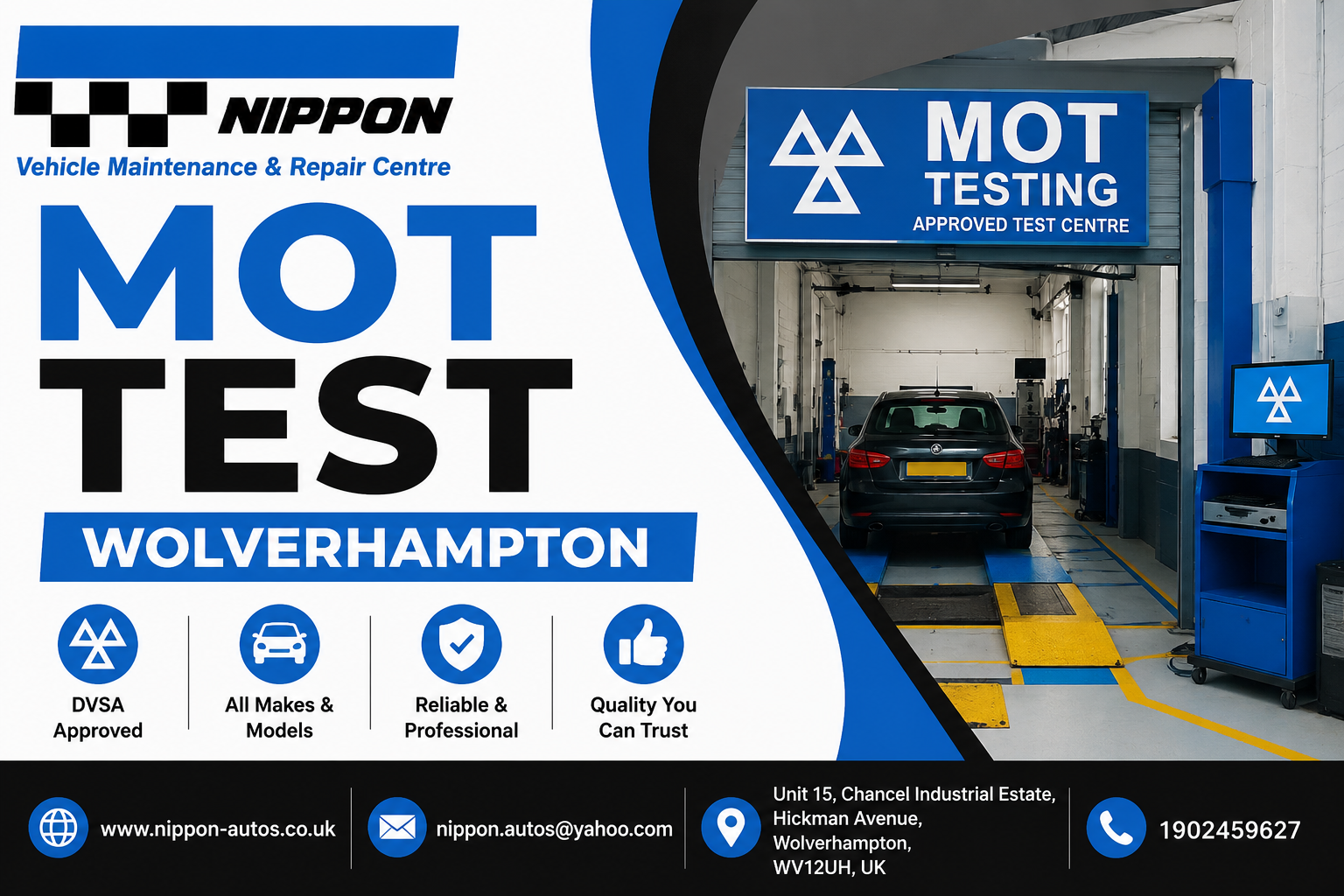
The right MOT class for a vehicle is an important factor that allows the testers to check the vehicle legally. If a vehicle owner picks the wrong class, the test may face delays, or even a re-booking may be necessary. The right class allows testers to only check those items which are specific to the vehicle. That way, it helps to increase road safety for all drivers and road users. If a driver is not quite sure which class best fits their vehicle, they can contact any qualified car garage that will recommend what to do. Nippon Autos carries out MOT testing and car repair services, which keep drivers informed on their vehicle safety, legal requirements and overall readiness for driving.
Conclusion
Knowing MOT classes can assist drivers in booking the most appropriate test. A class represents a specific vehicle based on its design features, weight limitations, and function. It gives test centres a chance to inspect vehicles correctly. Besides the annual MOT tests, regular car servicing works as a way of checking for malfunctioning parts so that the driver can fix them in time. By taking good care of the car all year round, the driver will increase its reliability, making the cost of repairing the car when it breaks down at home or on the road less burdensome.